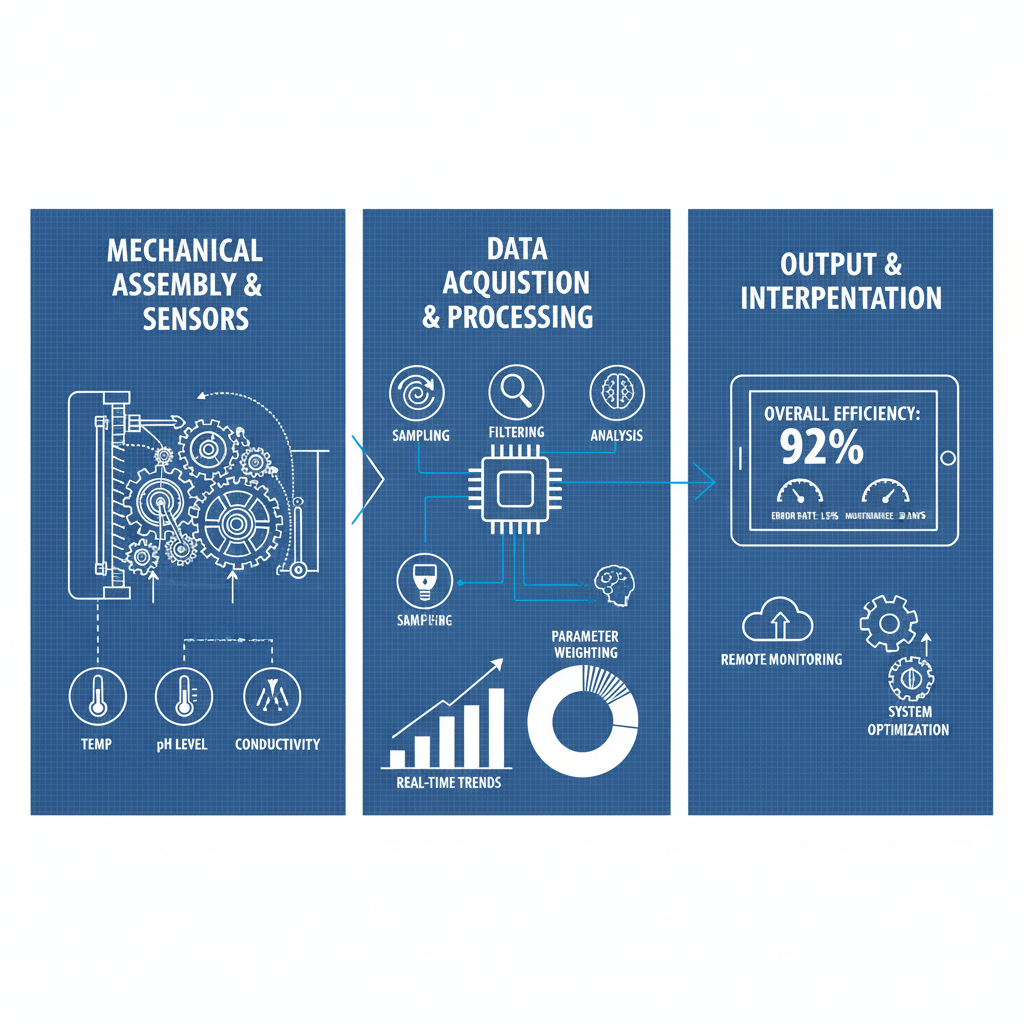
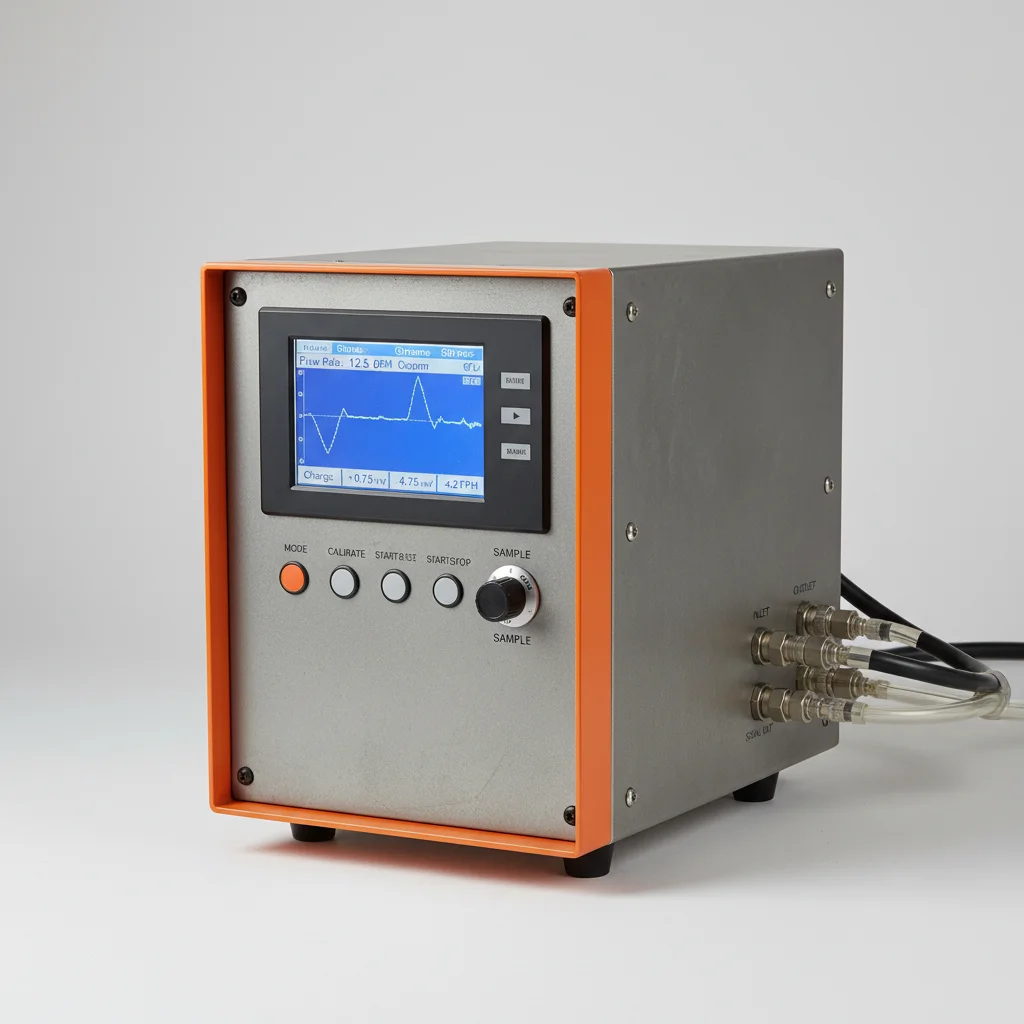
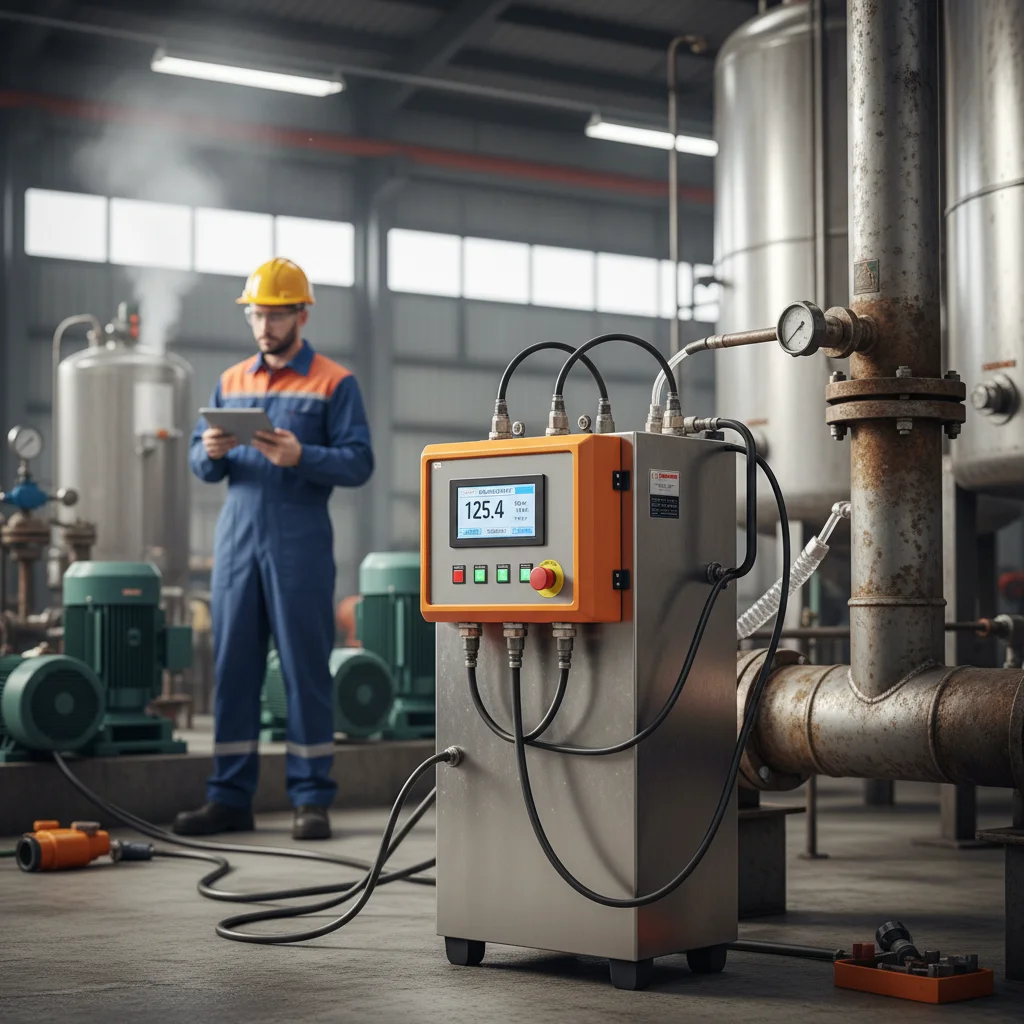
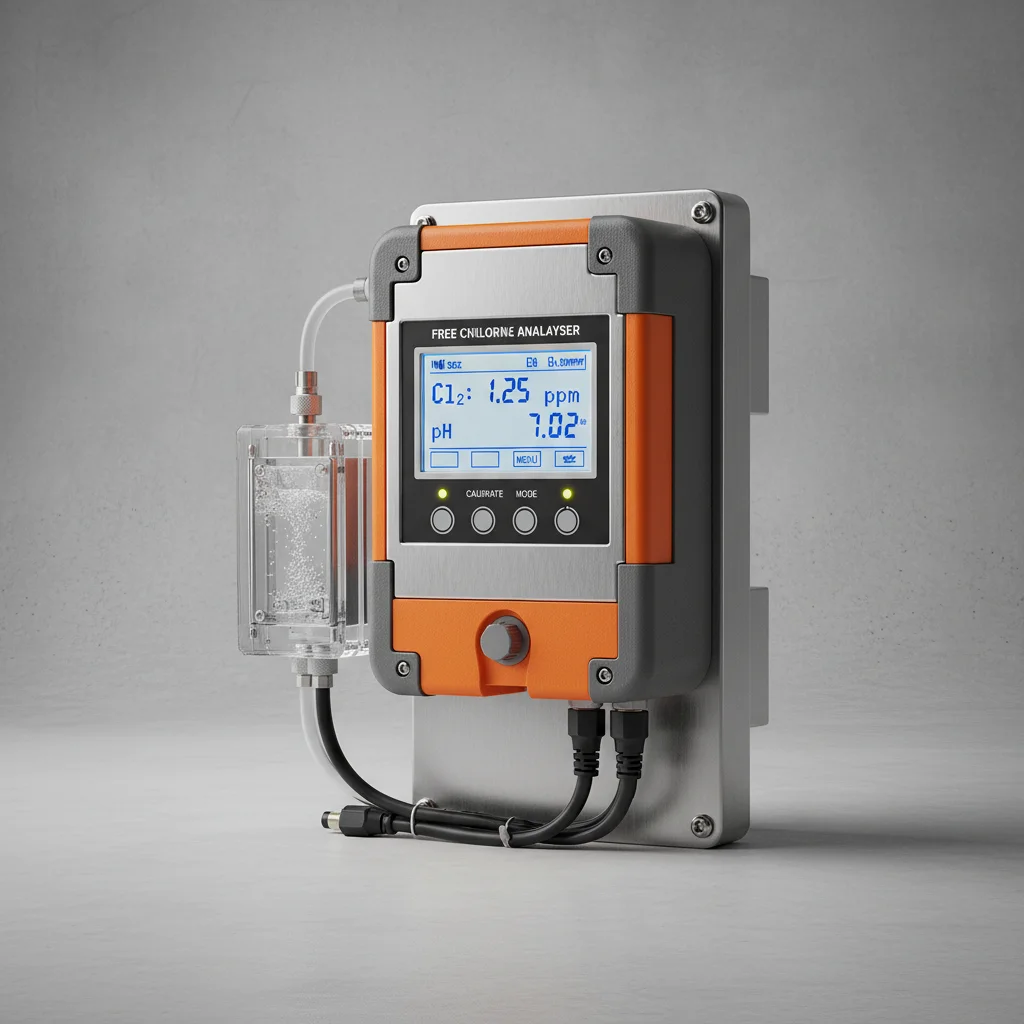
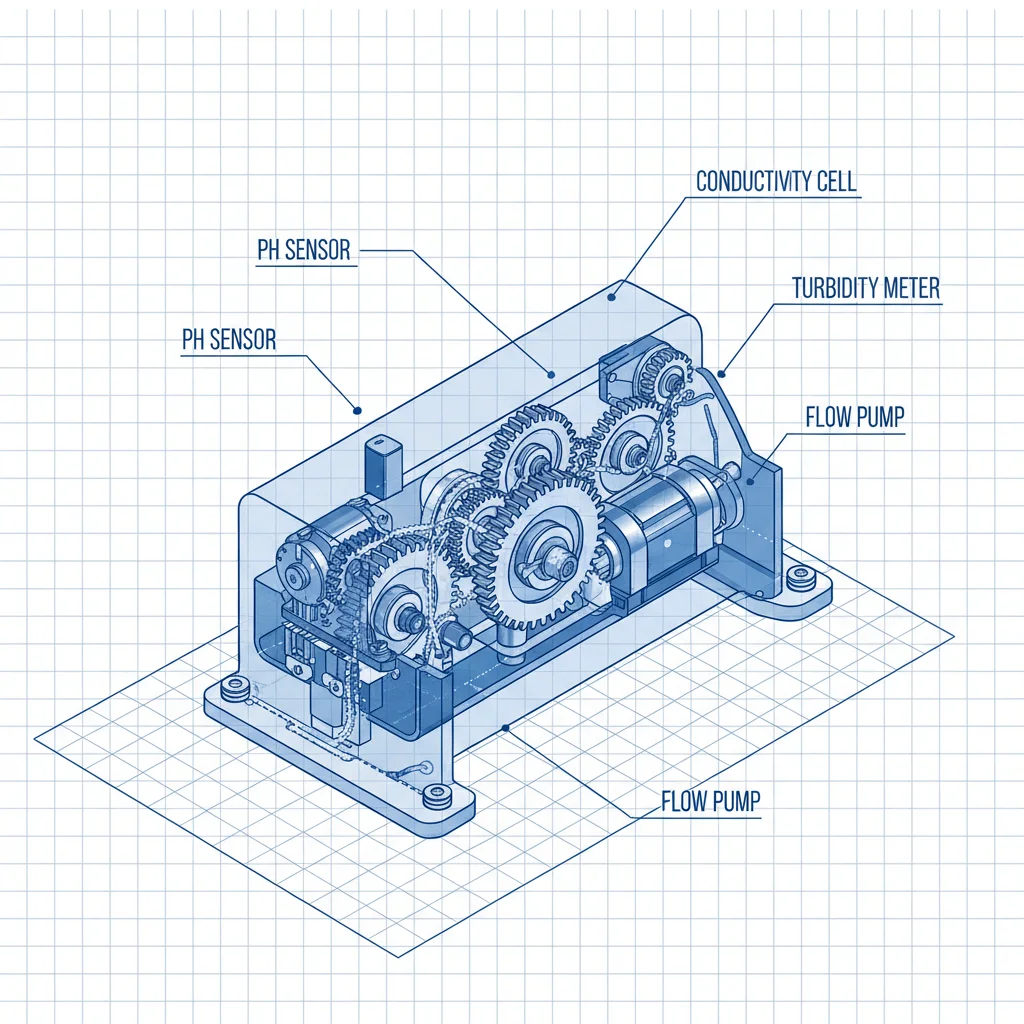
The modern world demands increasingly precise and comprehensive monitoring across diverse sectors, from environmental science and industrial processing to healthcare and food safety. This need has driven the development of the multi parameter analyzer, a sophisticated instrument capable of simultaneously measuring multiple parameters within a single sample. This technology is revolutionizing how we understand and control complex systems, offering efficiency gains, reduced costs, and improved data quality. Its impact extends globally, influencing research, regulation, and operational practices in numerous fields.
The proliferation of the multi parameter analyzer is not merely a technological advancement, but a response to critical global challenges. Increasing industrialization, urbanization, and environmental concerns necessitate real-time, accurate data for informed decision-making. Whether it's monitoring water quality in developing nations, ensuring the safety of food supplies, or optimizing chemical processes in manufacturing plants, these analyzers provide essential insights. The demand for streamlined, reliable analytical solutions is driving innovation in this field and paving the way for more sustainable and efficient practices.
Ultimately, the multi parameter analyzer empowers professionals with the ability to gain a holistic understanding of their systems. It moves beyond isolated measurements, offering a comprehensive picture that reveals intricate relationships and potential issues. This holistic approach translates into faster response times, improved resource allocation, and a higher degree of confidence in analytical results. This, in turn, fuels innovation and drives progress across a wide spectrum of industries and applications.
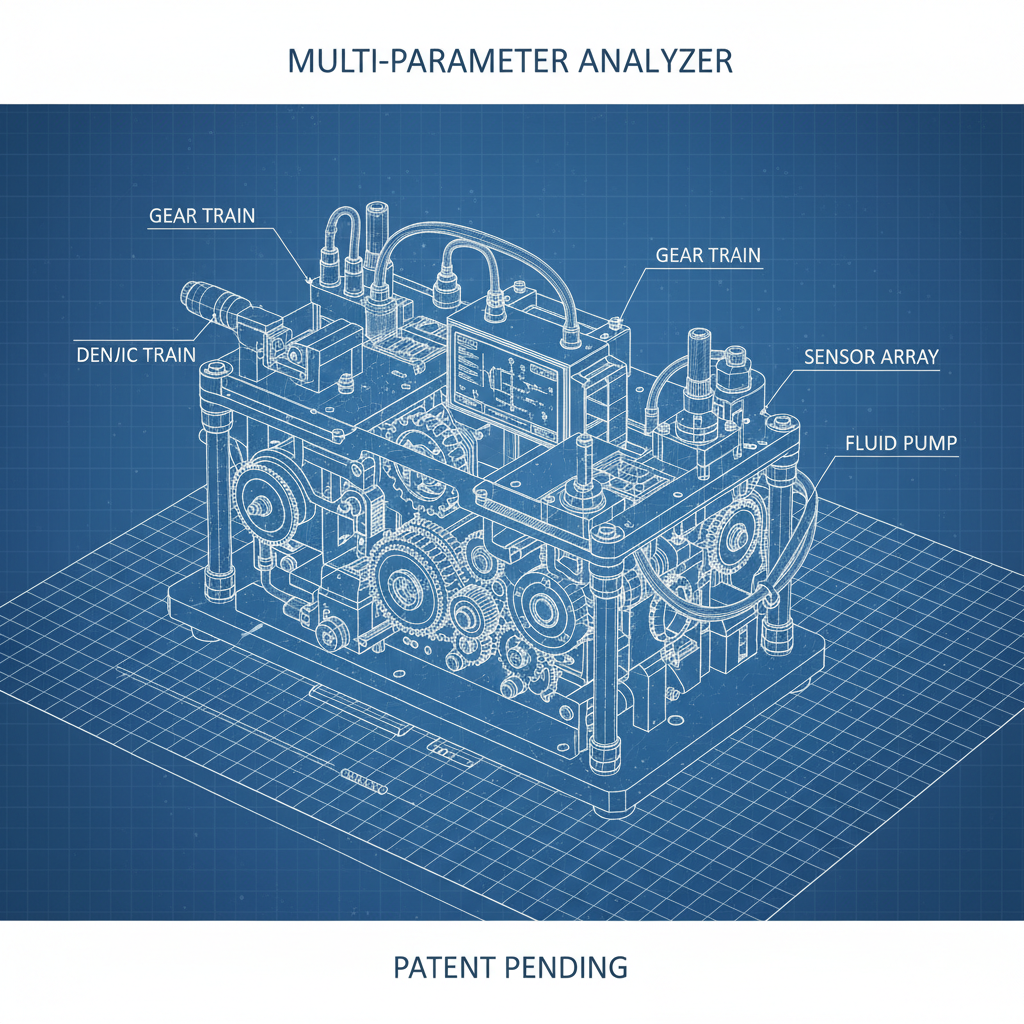
The Significance of multi parameter analyzer
The growing complexity of modern processes and systems necessitates analytical tools that can deliver comprehensive, real-time data. The multi parameter analyzer fills this critical gap, providing simultaneous measurement of multiple variables, unlike traditional single-parameter instruments. This capability is invaluable in optimizing processes, ensuring quality control, and identifying potential problems before they escalate.
The ability to gather diverse data streams concurrently significantly enhances the efficiency of analytical workflows. It eliminates the need for multiple instruments and reduces the time required to obtain a complete picture of a sample or system. This speed and efficiency translate directly into cost savings and improved productivity across various industries.
Global Relevance and Industrial Context
The demand for accurate and reliable monitoring is ubiquitous, spanning continents and impacting diverse sectors. According to the World Health Organization, billions of people lack access to safe water, underscoring the need for robust water quality monitoring solutions, for which a multi parameter analyzer is essential. Similarly, the UN Sustainable Development Goals highlight the importance of sustainable industrialization and environmental protection, both areas where these analyzers play a crucial role.
Industries such as pharmaceuticals, food and beverage, and chemical manufacturing rely heavily on precise process control. The multi parameter analyzer enables them to maintain stringent quality standards, optimize production yields, and comply with regulatory requirements. The ISO 9001 standard, for example, emphasizes the importance of accurate measurement and data analysis, making these instruments vital for achieving and maintaining certification.
The proliferation of these analyzers is particularly significant in emerging economies, where rapid industrialization and population growth place strain on environmental resources. Efficient monitoring and control are paramount for sustainable development, and the multi parameter analyzer offers a cost-effective and reliable solution for addressing these challenges.
Defining the multi parameter analyzer
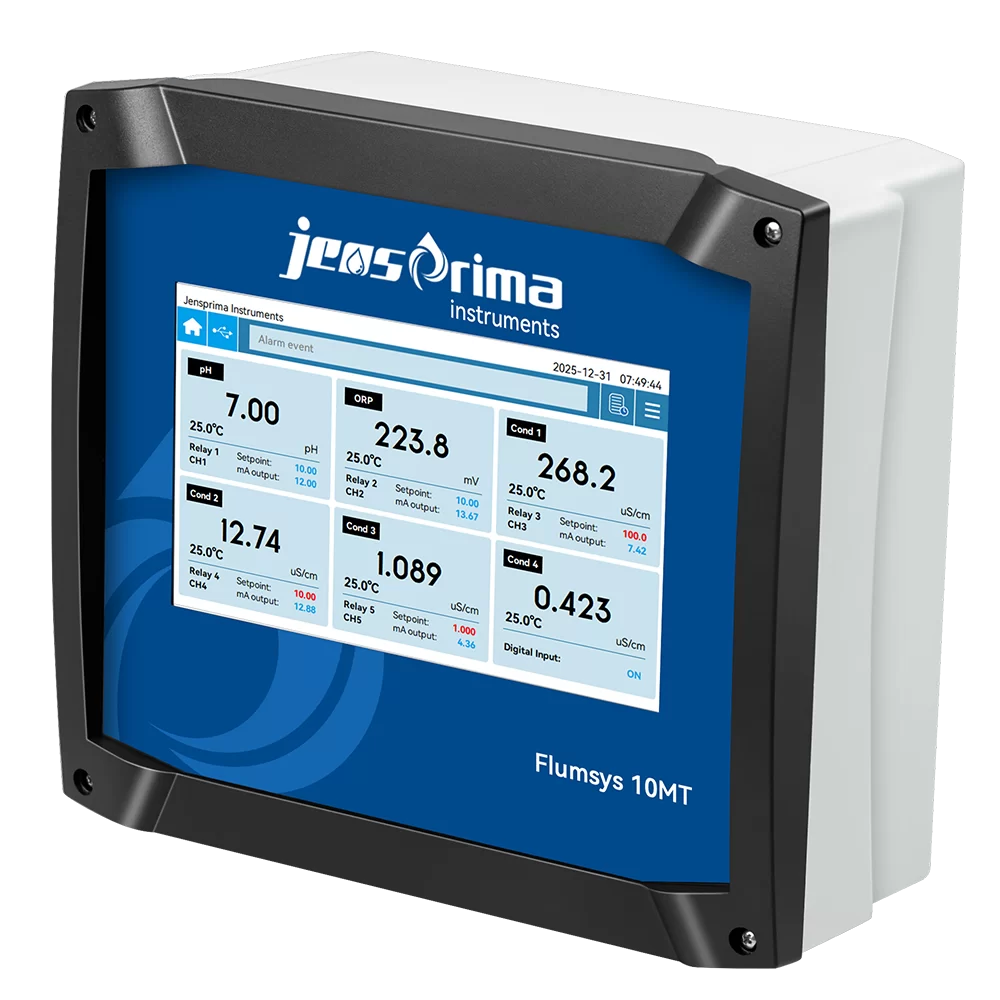
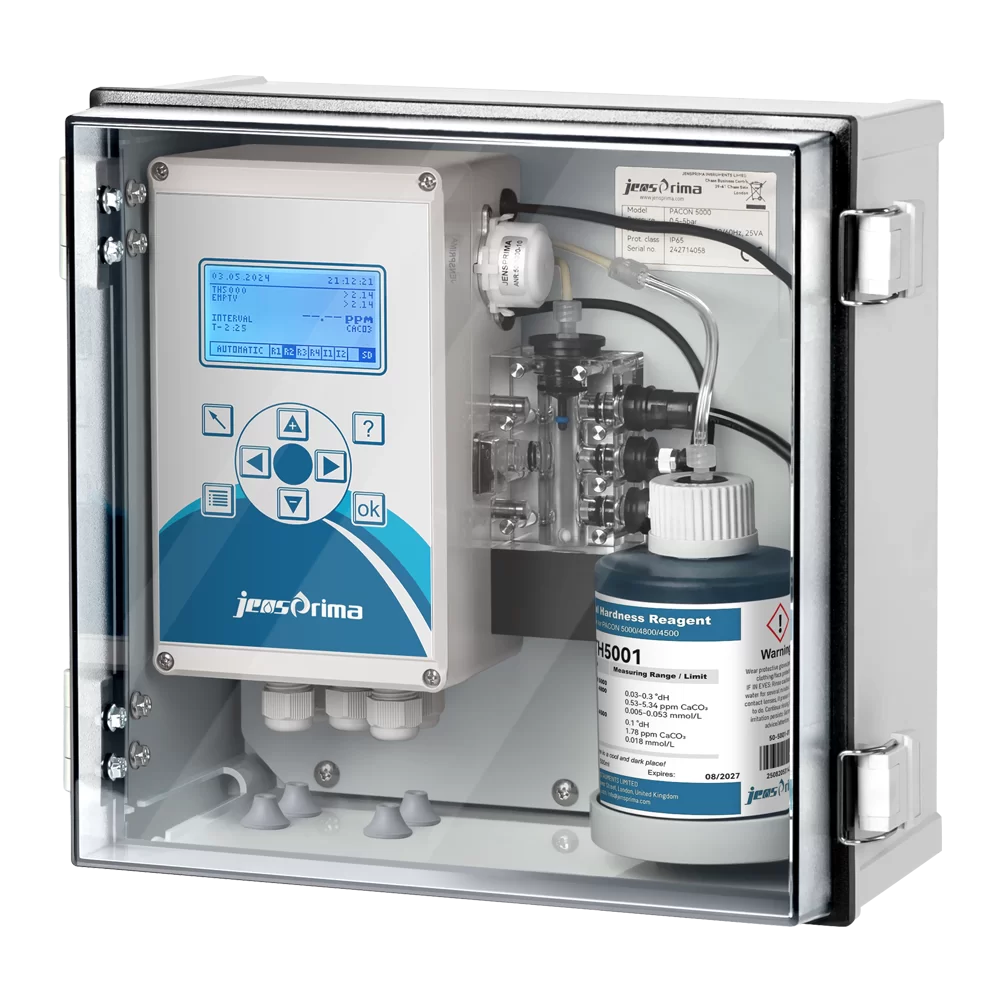
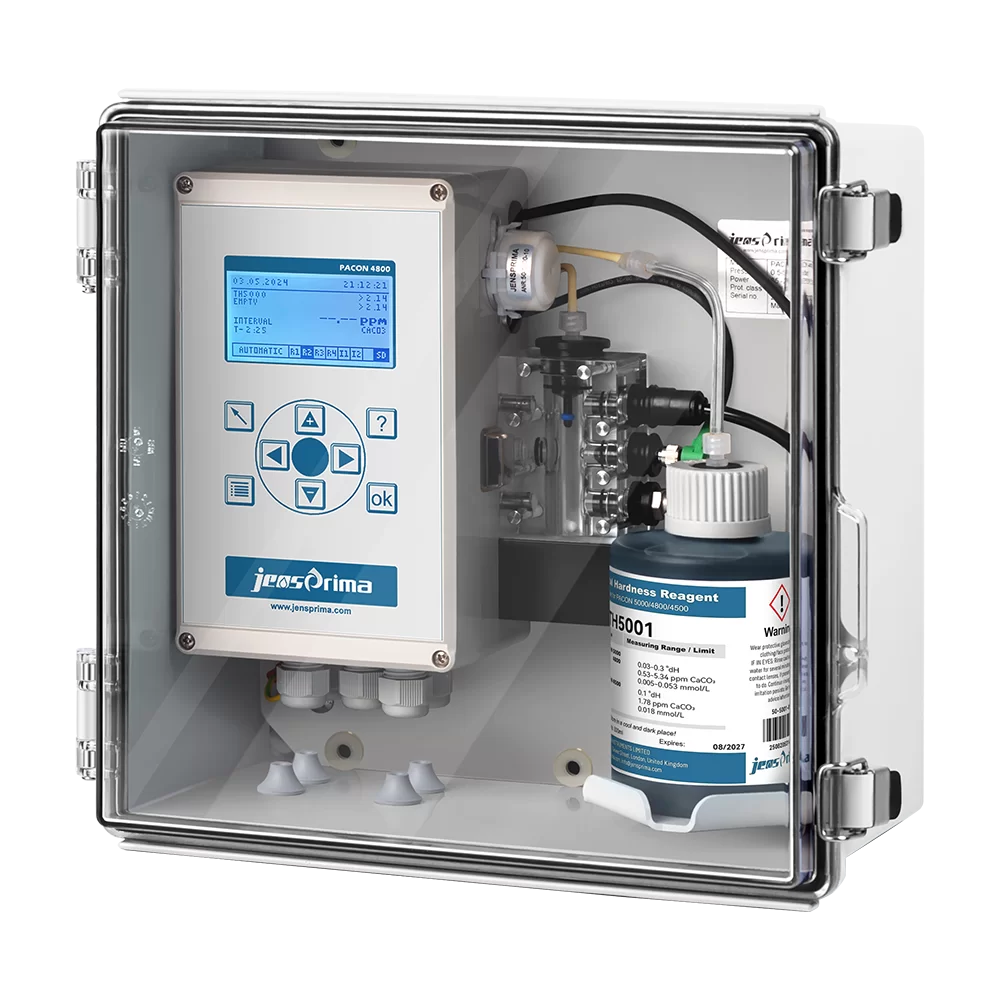
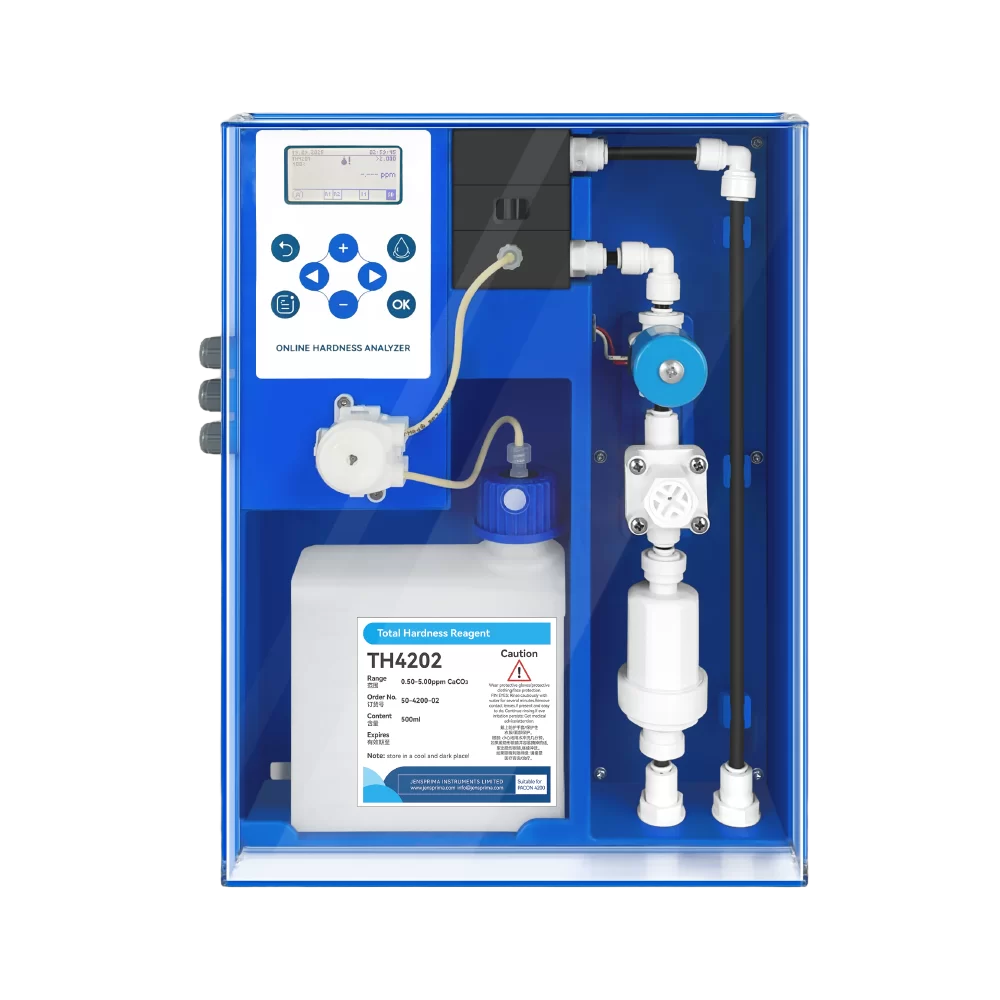
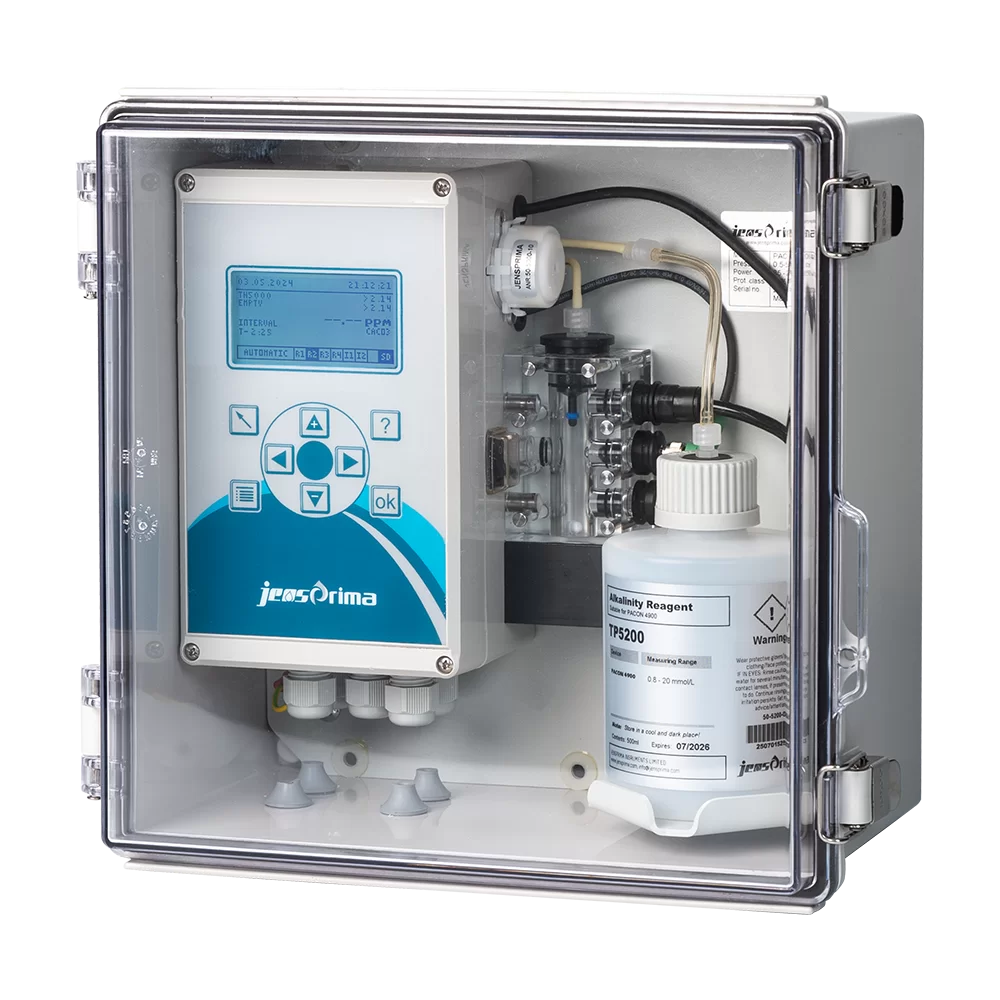
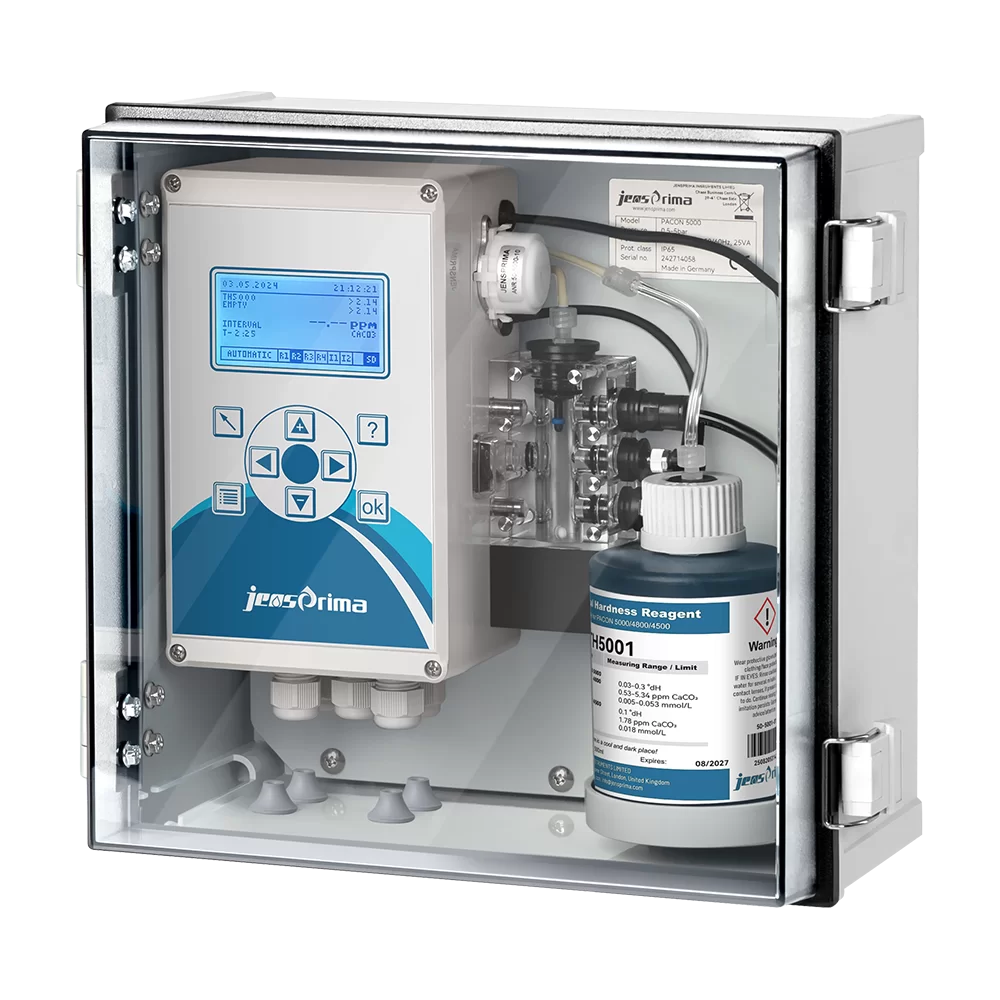
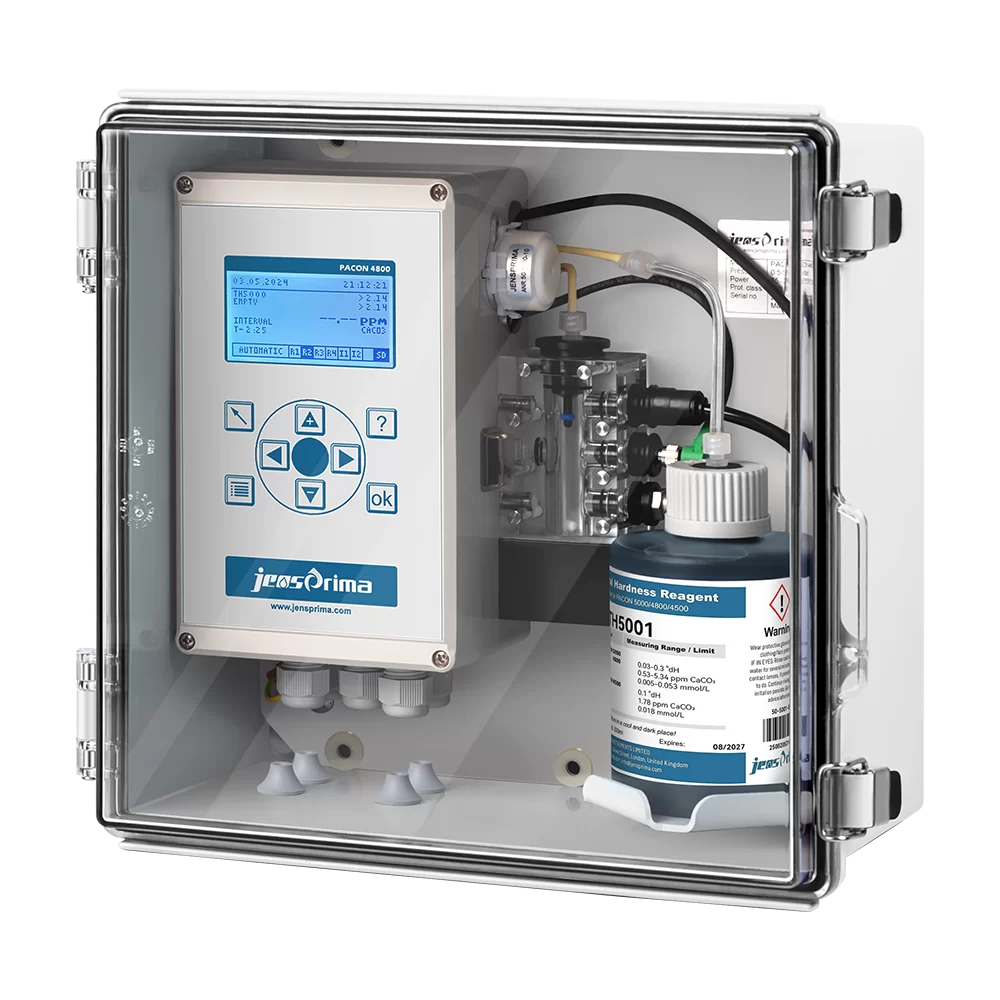
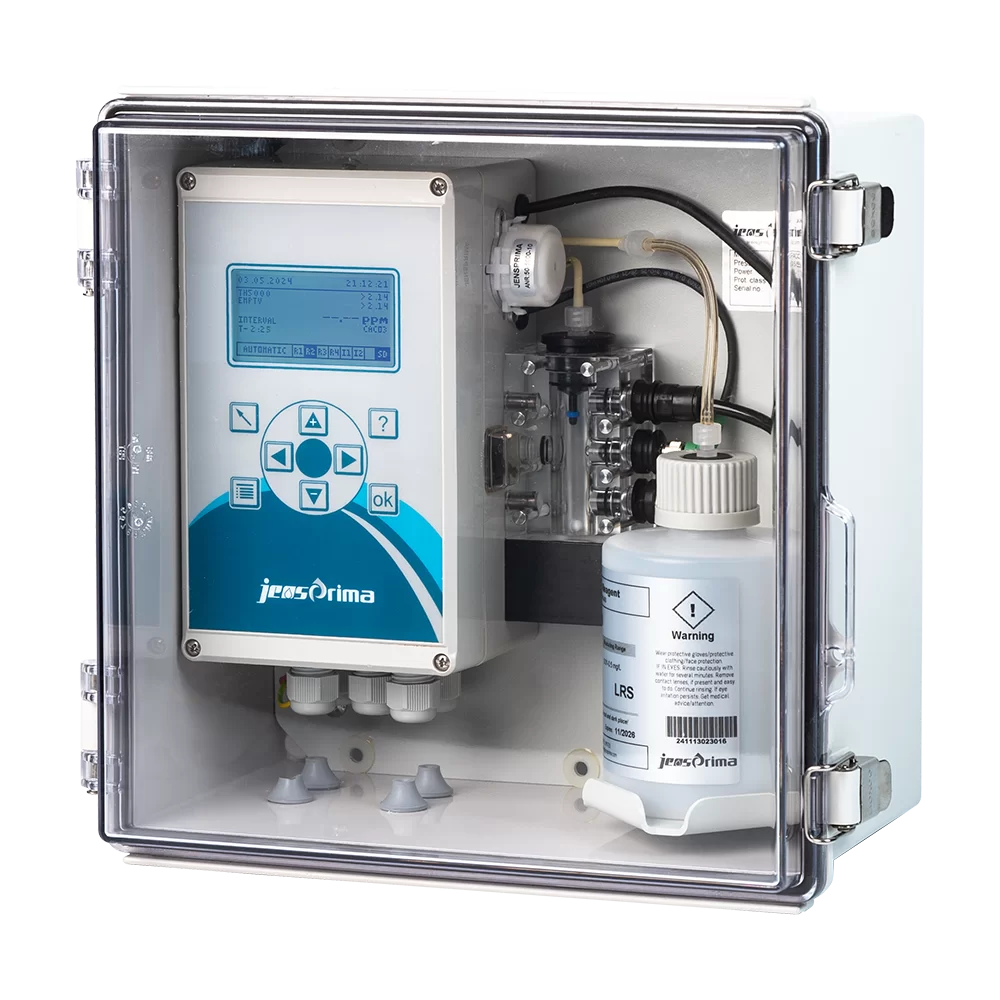
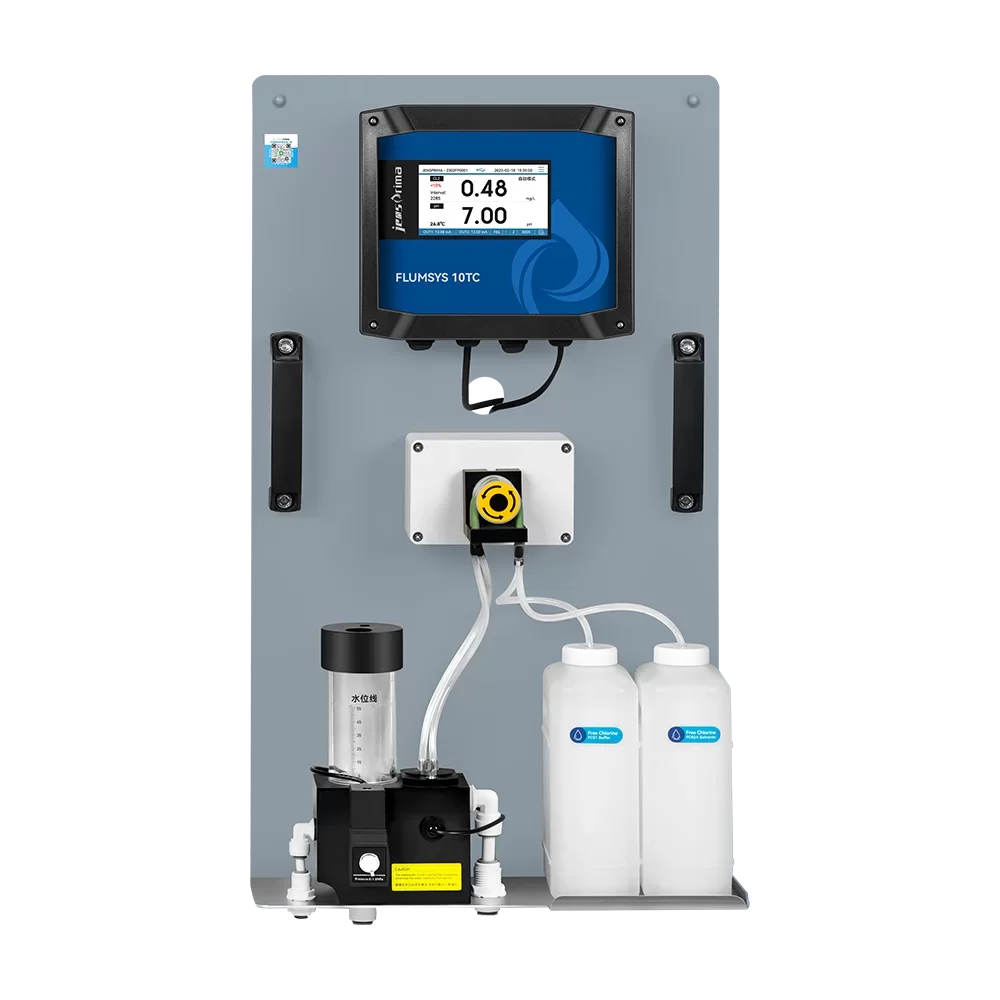
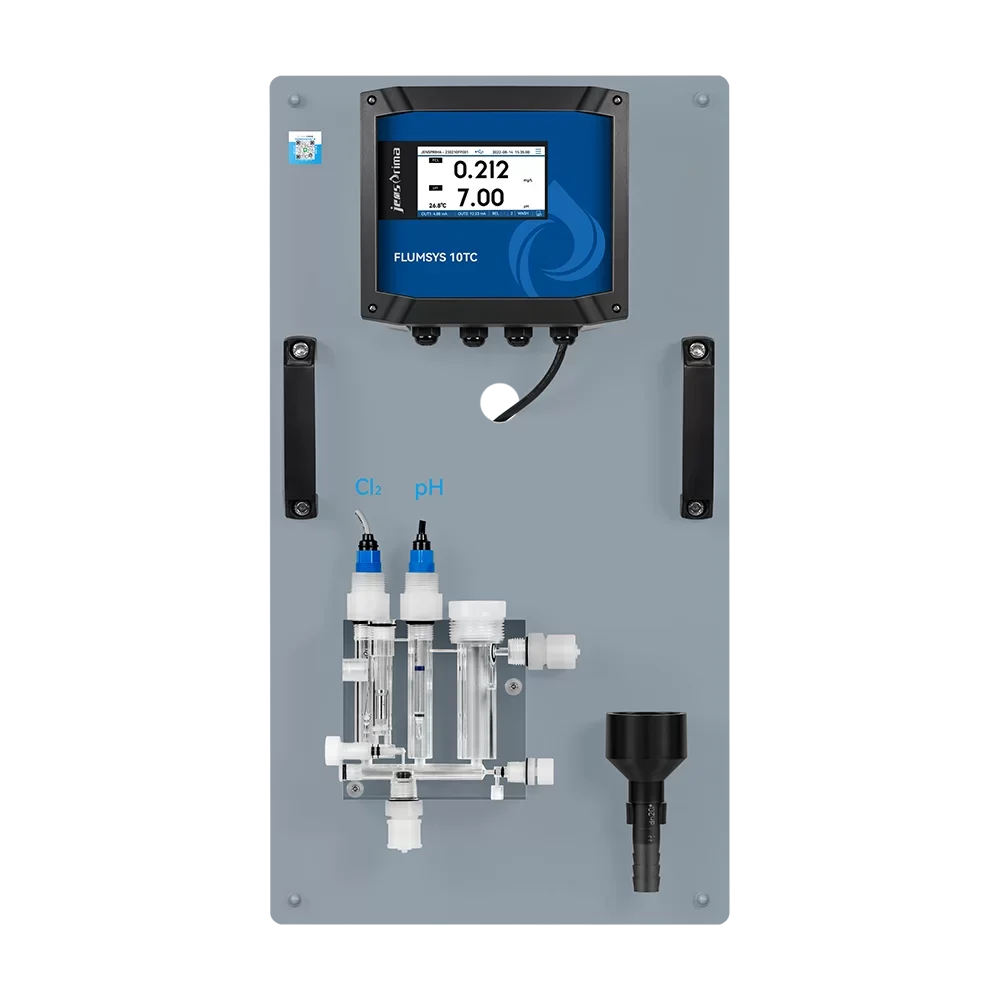
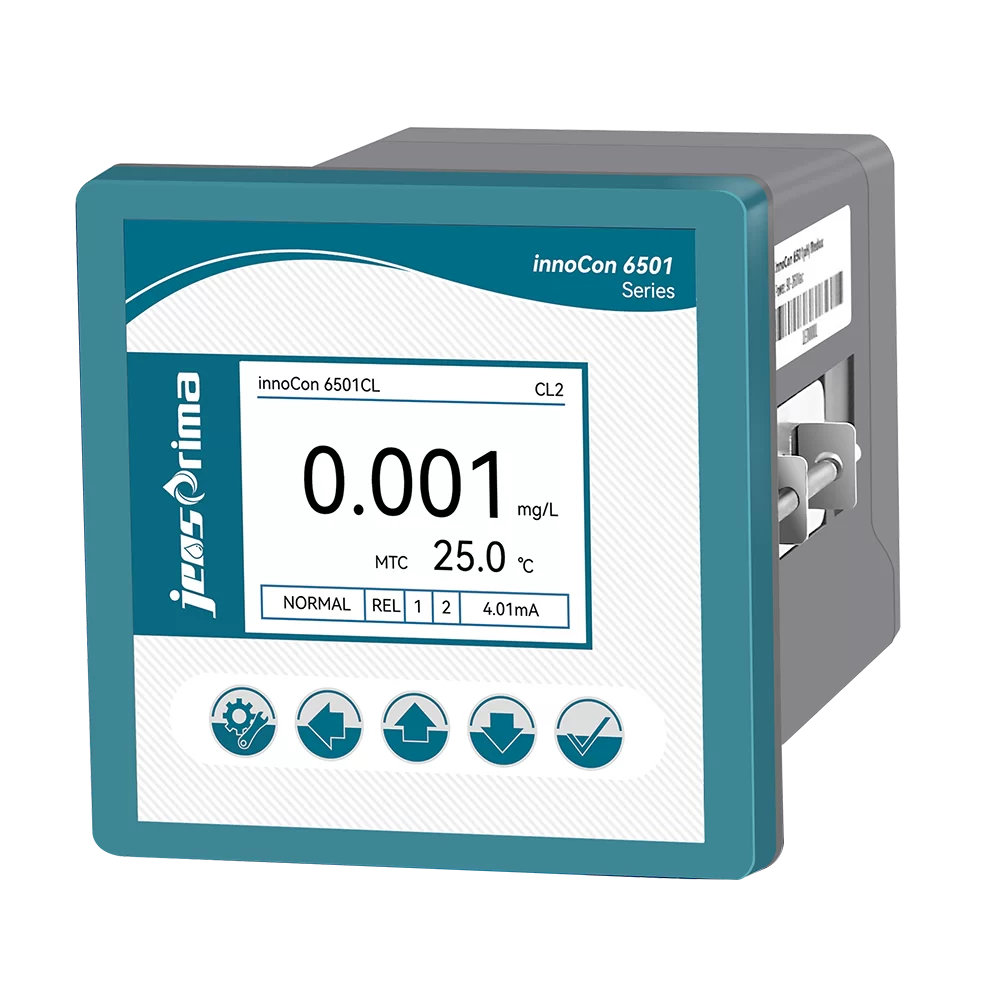
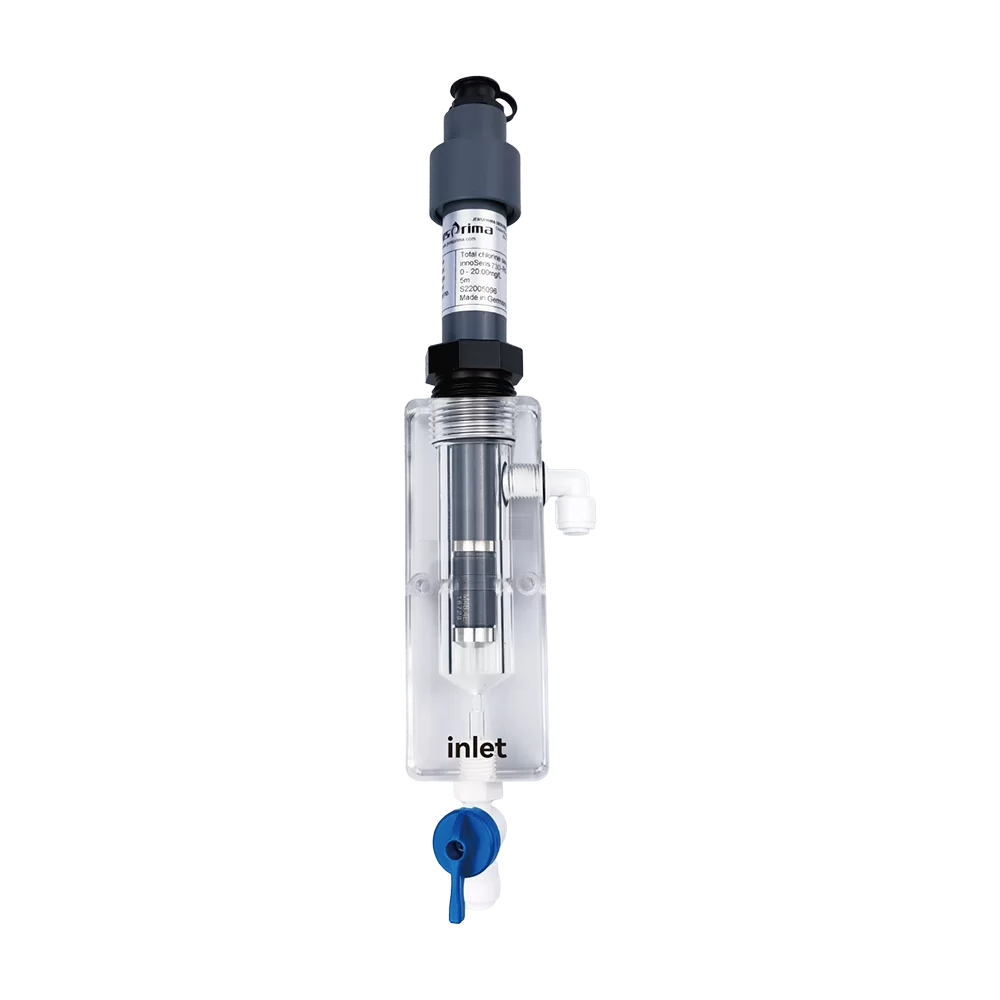
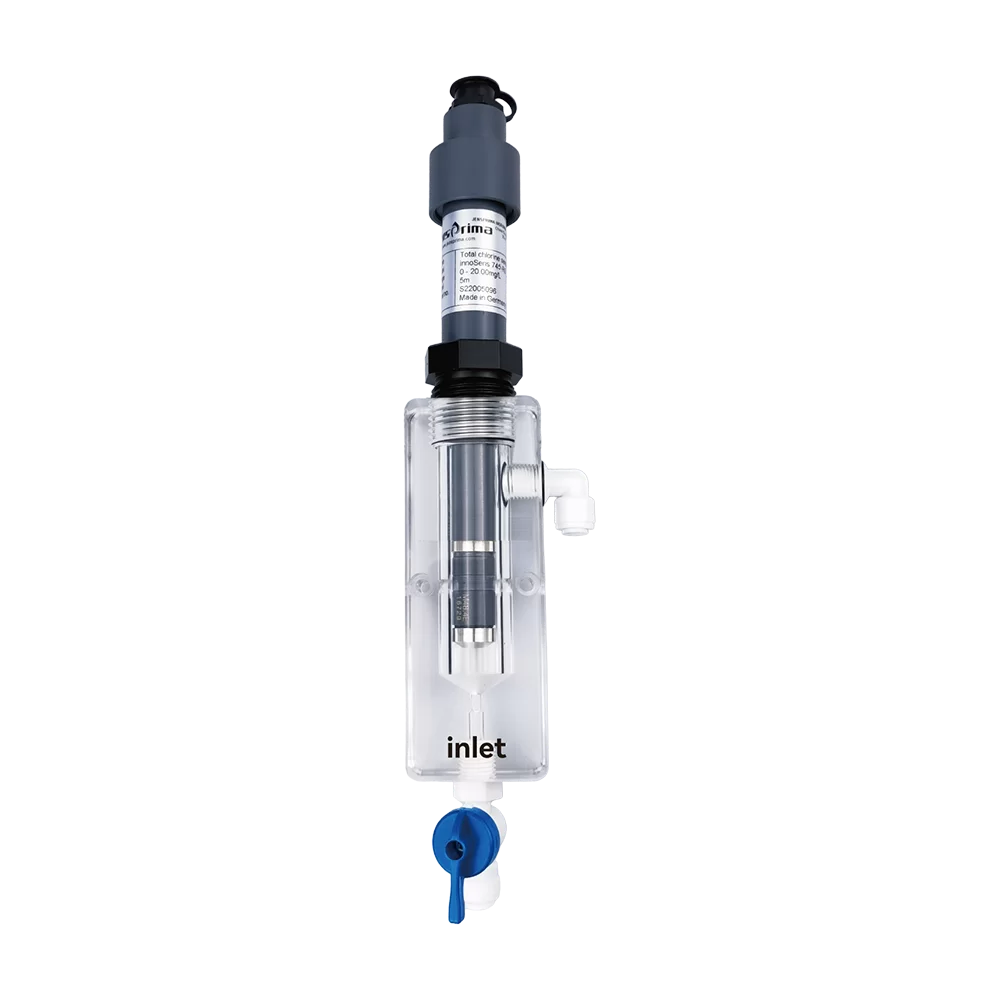
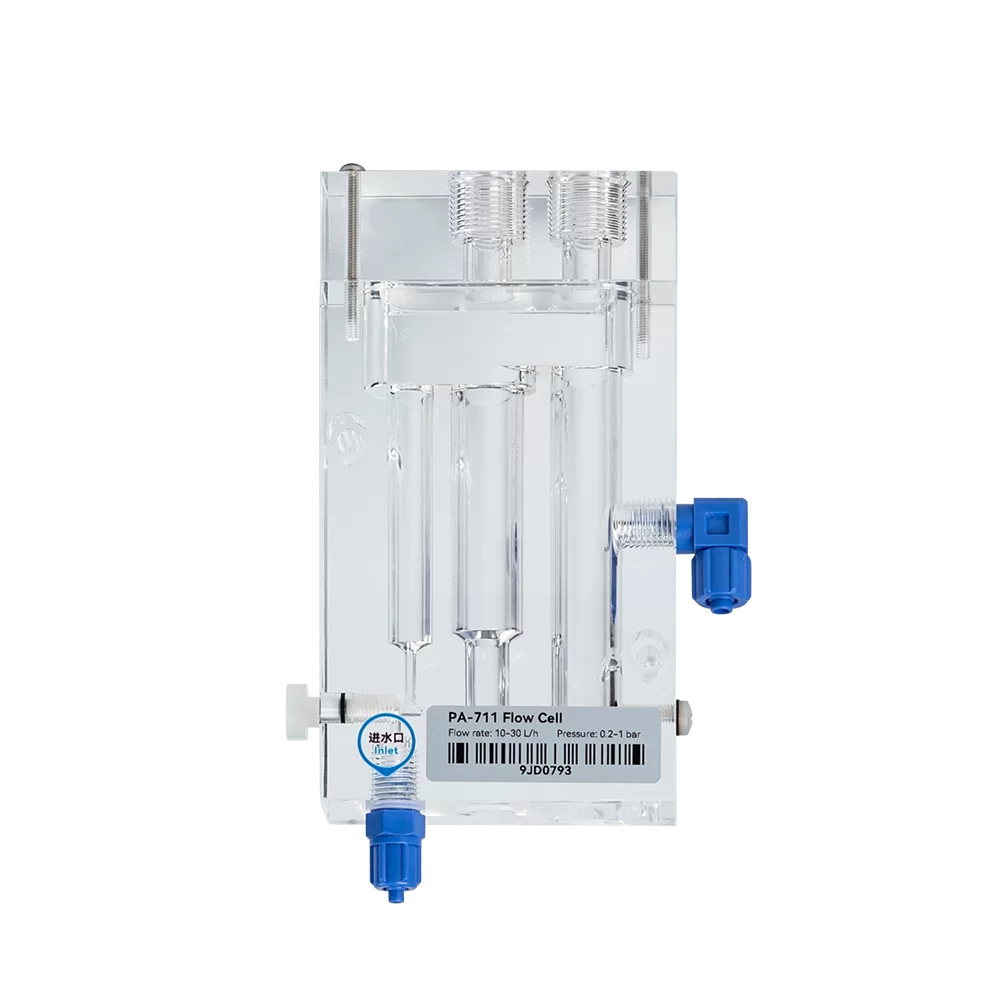
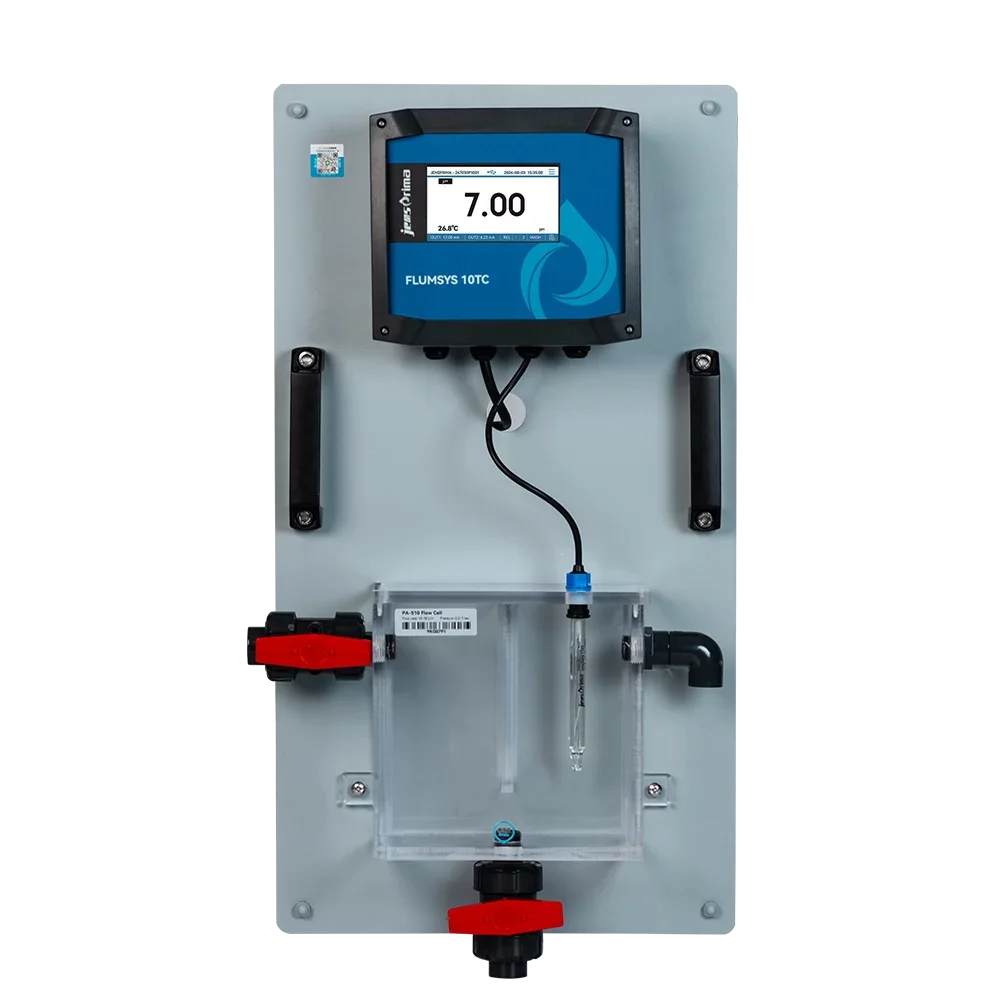
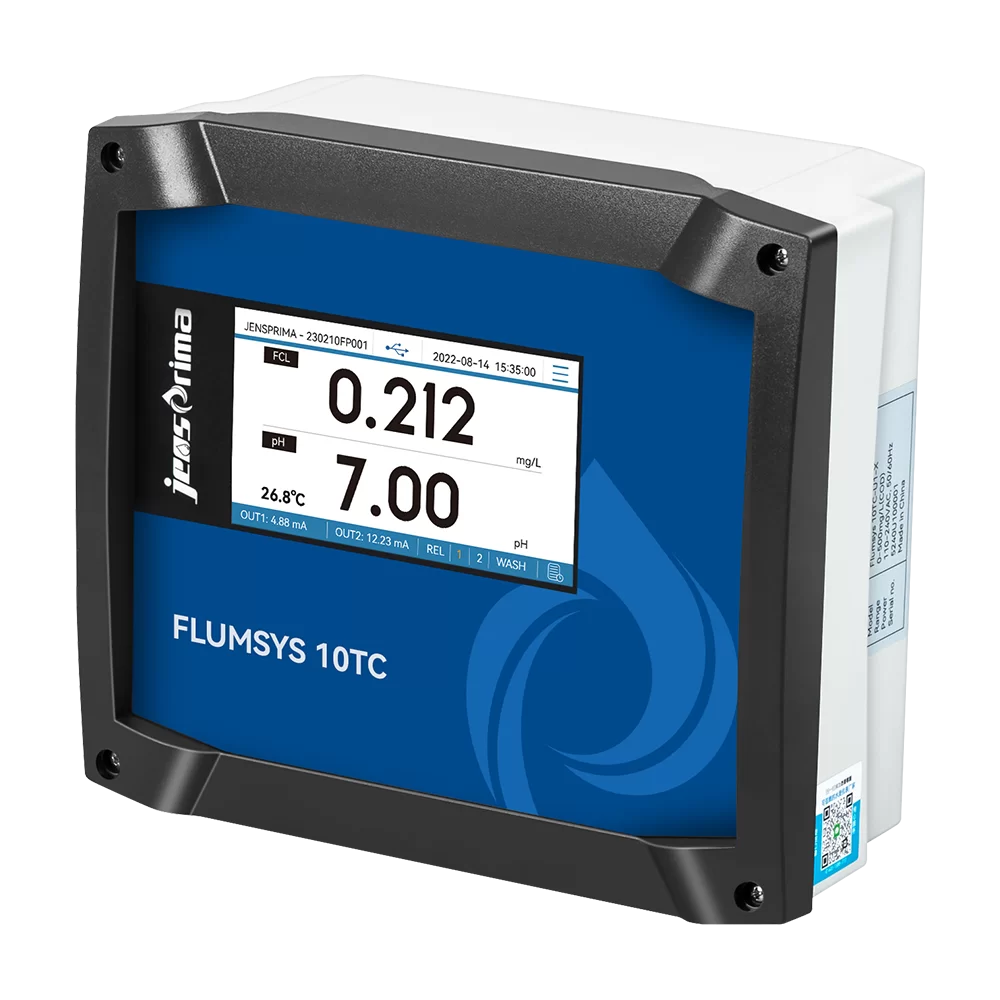
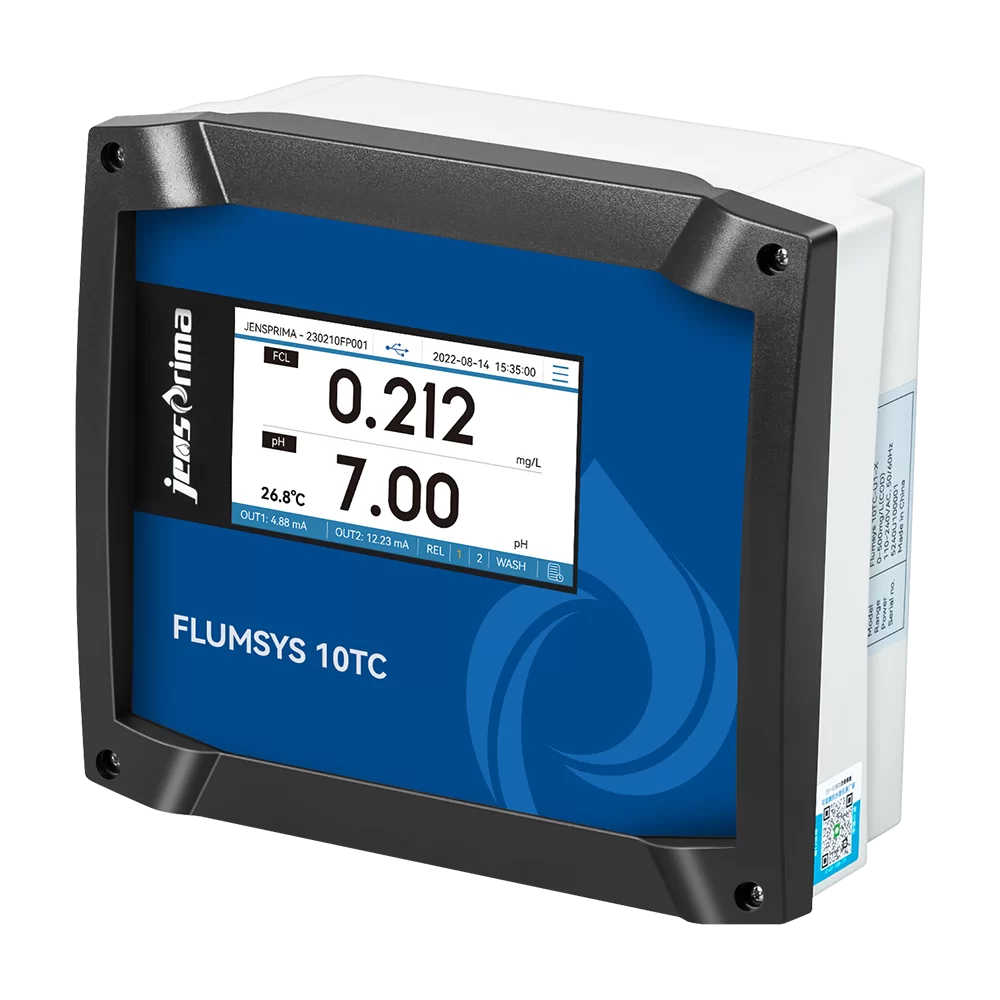
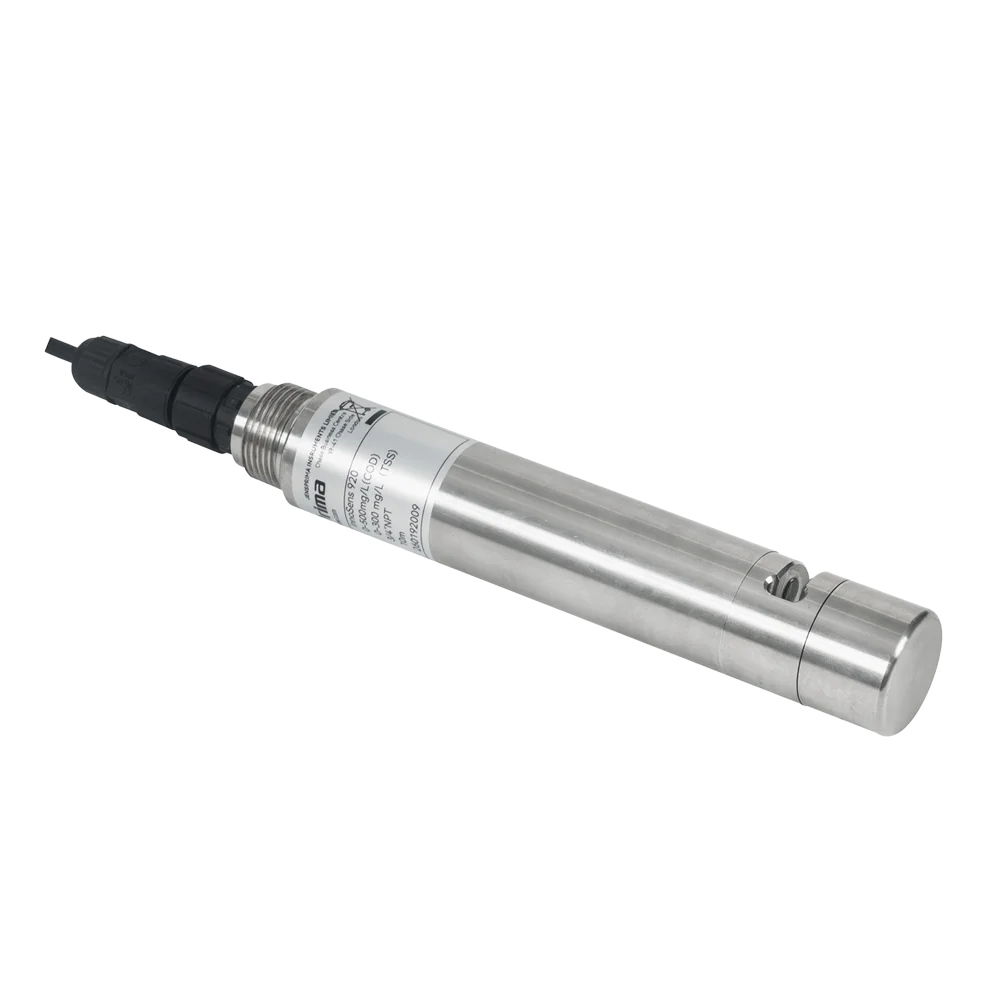
A multi parameter analyzer is an analytical instrument designed to measure multiple physical, chemical, or biological parameters simultaneously within a single sample. Unlike traditional single-parameter devices, it combines several sensors and analytical techniques into a single platform, streamlining the measurement process and providing a more comprehensive dataset.
This technology is increasingly vital in addressing modern challenges, bridging the gap between traditional analytical methods and the demands of real-time, comprehensive monitoring. It’s a powerful tool for enhancing efficiency, ensuring data integrity, and ultimately, driving informed decision-making in both industrial and humanitarian contexts.
The connection to modern industry and humanitarian needs is direct. For example, in disaster relief scenarios, a multi parameter analyzer can quickly assess water quality, identifying sources of contamination and guiding efforts to provide safe drinking water. In industrial settings, it enables process optimization, quality control, and regulatory compliance, contributing to both economic growth and environmental sustainability.
Key Characteristics of Effective multi parameter analyzer
Durability is a cornerstone of any effective multi parameter analyzer, especially when deployed in harsh environments. Robust construction, resistance to corrosion, and long-term stability are crucial for reliable performance and minimal downtime.
Scalability is another vital characteristic. The ability to adapt to changing needs, whether through modular sensor additions or expanded data processing capabilities, ensures long-term investment value. A scalable multi parameter analyzer can grow with an organization, accommodating evolving analytical requirements.
Performance Metrics for multi parameter analyzer Models
Real-World Applications of multi parameter analyzer
In environmental monitoring, multi parameter analyzer are deployed to assess water quality in rivers, lakes, and oceans, tracking parameters such as pH, dissolved oxygen, conductivity, and turbidity. These measurements are critical for identifying pollution sources, monitoring ecosystem health, and ensuring compliance with environmental regulations.
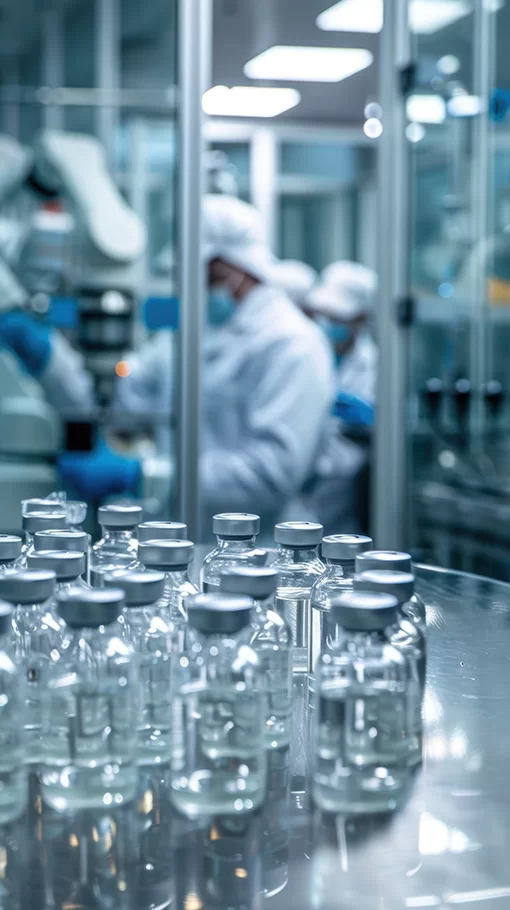
The pharmaceutical industry leverages these analyzers for process control during drug manufacturing, monitoring critical parameters like temperature, pH, and dissolved gases to ensure product quality and safety. Similarly, in the food and beverage industry, they are used to monitor fermentation processes, assess the quality of raw materials, and ensure compliance with food safety standards.
Advantages and Long-Term Value Proposition
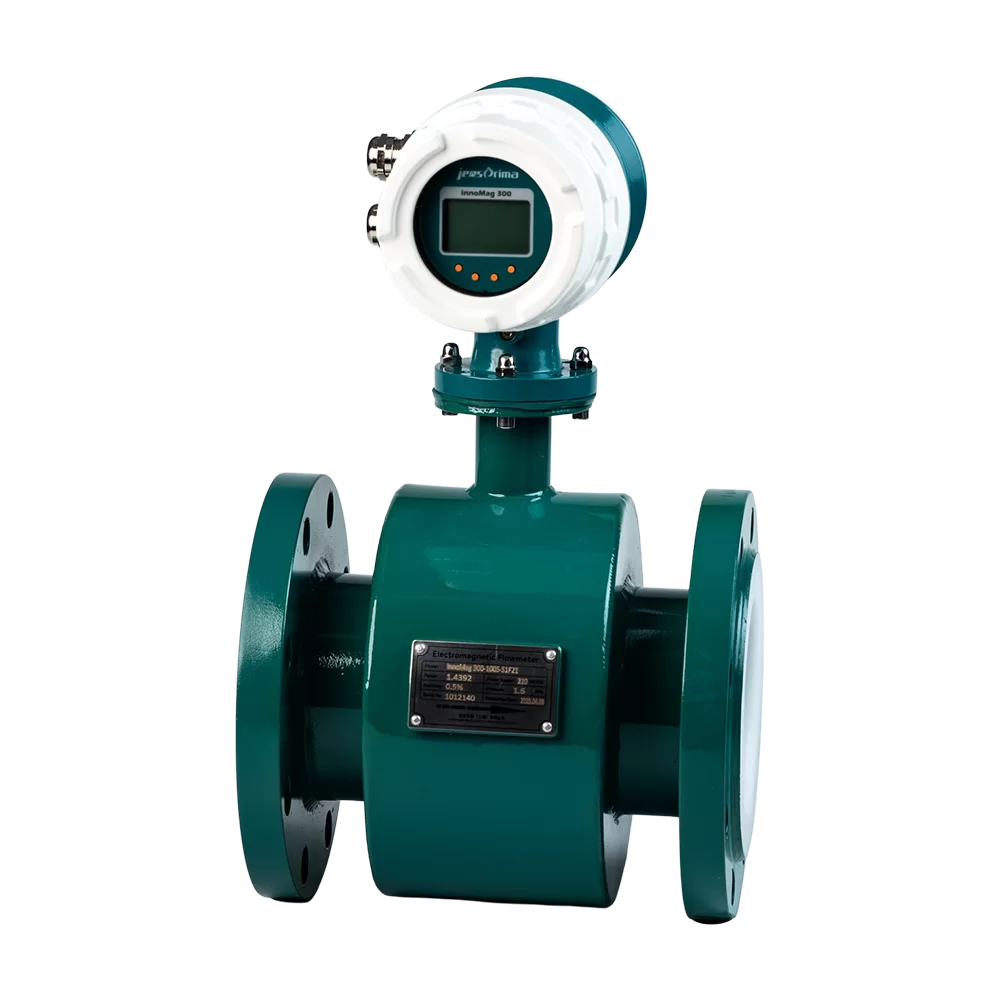
The primary benefit of using a multi parameter analyzer is significant cost reduction. By combining multiple measurements into a single instrument, it eliminates the need for separate devices, reducing capital expenditure and ongoing maintenance costs. Furthermore, streamlined workflows and reduced analytical time contribute to increased productivity.
From a sustainability perspective, these analyzers promote responsible resource management. By providing accurate and real-time data, they enable optimized process control, minimizing waste and reducing environmental impact. This aligns with growing global emphasis on sustainable industrial practices and environmental stewardship.
The long-term value extends beyond economic and environmental benefits. Improved data accuracy and reliability foster trust in analytical results, leading to more informed decision-making and enhanced operational efficiency. This trust is particularly critical in industries where product quality and safety are paramount.
Future Trends and Innovative Solutions
The integration of artificial intelligence (AI) and machine learning (ML) is poised to revolutionize the field of multi parameter analyzer. AI algorithms can analyze complex datasets, identify patterns, and predict potential issues, enabling proactive maintenance and optimized process control.
Miniaturization and the development of portable, wireless multi parameter analyzer are also driving innovation. These compact devices enable on-site monitoring in remote locations, reducing the need for sample transport and laboratory analysis. This is particularly valuable in environmental monitoring, disaster relief, and field research.
The increasing demand for real-time data is fueling the development of cloud-connected analyzers, allowing for remote monitoring, data sharing, and collaborative analysis. This facilitates faster response times, improved data accessibility, and enhanced decision-making across organizations.
Addressing Current Limitations in multi parameter analyzer Technology
| Limitation |
Impact on Performance |
Potential Solution |
Implementation Cost |
| Sensor Drift |
Reduced Accuracy over Time |
Automated Calibration Routines |
Low |
| Cross-Sensitivity |
Interference Between Sensors |
Advanced Signal Processing Algorithms |
Medium |
| Limited Parameter Range |
Inability to Measure Specific Analytes |
Modular Sensor Design |
Medium |
| Data Management Complexity |
Difficulty Analyzing Large Datasets |
Cloud-Based Data Analytics |
High |
| Power Consumption |
Limited Battery Life for Portable Devices |
Low-Power Sensor Technologies |
Medium |
| Maintenance Requirements |
Regular Calibration and Sensor Replacement |
Predictive Maintenance Algorithms |
Low |
FAQS
A multi parameter analyzer streamlines analytical workflows by simultaneously measuring multiple parameters, reducing the need for separate instruments and saving time and resources. This leads to improved data quality, faster response times, and lower operational costs. The holistic view provided by concurrent measurements is also invaluable for understanding complex systems and identifying potential issues.
Modern multi parameter analyzers offer accuracy comparable to many laboratory techniques, especially when properly calibrated and maintained. While laboratory analysis may offer higher precision for specific parameters, the real-time, on-site capabilities of a multi parameter analyzer often outweigh this difference, particularly in applications requiring immediate feedback and process control.
Regular calibration is crucial for maintaining accuracy. The frequency of calibration depends on the instrument and the application. Sensor replacement is also necessary periodically, as sensors have a finite lifespan. Routine cleaning and inspection are essential to ensure optimal performance and prevent damage. Predictive maintenance algorithms are increasingly employed to anticipate potential issues.
Many multi parameter analyzers are designed for use in harsh environments, with robust housings and corrosion-resistant materials. However, it's essential to select an instrument specifically rated for the intended conditions. Some models offer built-in temperature control and humidity protection, ensuring reliable performance in challenging environments.
Numerous industries benefit, including environmental monitoring, water treatment, food and beverage, pharmaceutical manufacturing, chemical processing, and aquaculture. Anywhere where precise, real-time monitoring of multiple parameters is critical for quality control, process optimization, or regulatory compliance, a multi parameter analyzer is invaluable.
Most modern multi parameter analyzers offer various data connectivity options, including USB, Bluetooth, Wi-Fi, and Ethernet. They often support standard data formats like CSV and XML, facilitating seamless integration with existing data acquisition and analysis software. Cloud-connected analyzers provide remote data access and integration with cloud-based platforms.
Conclusion
In conclusion, the multi parameter analyzer represents a significant advancement in analytical technology, providing a powerful and versatile solution for a wide range of applications. Its ability to simultaneously measure multiple parameters, combined with its accuracy, efficiency, and scalability, makes it an indispensable tool for professionals across diverse industries. By streamlining workflows, improving data quality, and enabling informed decision-making, it drives innovation and contributes to a more sustainable future.
Looking ahead, the integration of AI, miniaturization, and cloud connectivity will further enhance the capabilities of these instruments, unlocking new possibilities for real-time monitoring and control. Embracing these advancements is crucial for organizations seeking to optimize their processes, ensure quality, and remain competitive in an increasingly data-driven world. Visit our website at www.jensprima.com to learn more about our cutting-edge multi parameter analyzer solutions.





 Download
 Video Center
 Technical Services
 FAQS
FAQS Service Network
 Privacy Policy
 Contact Us