Understanding Alkalinity Reagents: A Comprehensive Guide
Alkalinity is a crucial parameter in various industries, from water treatment and aquaculture to chemical processing. Accurate measurement of alkalinity relies on the use of specialized alkalinity reagents. This article delves into the science behind alkalinity, the types of reagents available, their applications, and best practices for accurate testing. We'll explore how choosing the right reagent can significantly impact the reliability of your results and optimize your processes.
What is Alkalinity and Why is it Important?
Alkalinity refers to the capacity of water to neutralize acids. It’s primarily caused by the presence of bicarbonate (HCO₃⁻), carbonate (CO₃²⁻), and hydroxide (OH⁻) ions. Maintaining appropriate alkalinity levels is vital for several reasons: in water treatment, it stabilizes pH, preventing corrosion of pipes and equipment. In aquaculture, it’s essential for the health and survival of aquatic organisms. In industrial processes, alkalinity control ensures the efficiency and effectiveness of chemical reactions. Imbalances in alkalinity can lead to costly damage and process disruptions.
Key Takeaway: Alkalinity acts as a buffer, resisting changes in pH. This buffering capacity is critical for maintaining stable and optimal conditions in diverse applications.
Types of Alkalinity Reagents
Several types of alkalinity reagents are available, each suited for specific titration methods. The most common include:
- Sulfuric Acid (H₂SO₄): A strong acid commonly used for titrating water samples.
- Hydrochloric Acid (HCl): Another strong acid frequently employed in alkalinity determination.
- Sodium Carbonate (Na₂CO₃): Used as a primary standard for standardizing acid solutions.
- Potassium Hydrogen Phthalate (KHP): A widely used primary standard for acid-base titrations.
The choice of reagent depends on the desired accuracy, the sample matrix, and the titration equipment available.
Applications of Alkalinity Reagents Across Industries
The accurate determination of alkalinity using appropriate reagents is crucial across a broad spectrum of industries:
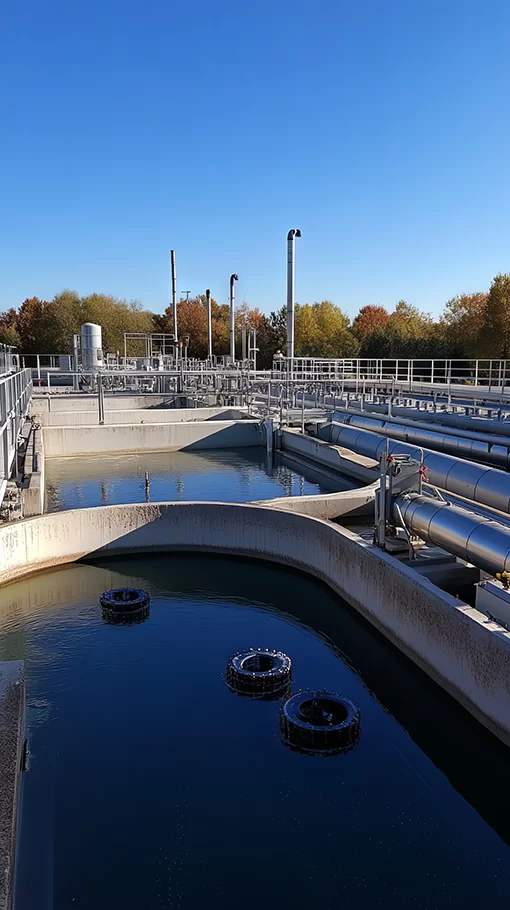
- Water Treatment: Monitoring and adjusting alkalinity to prevent corrosion and optimize disinfection.
- Aquaculture: Maintaining stable pH levels for healthy fish and shellfish growth.
- Chemical Processing: Controlling reaction rates and product quality.
- Power Generation: Preventing scaling in boilers and cooling systems.
- Environmental Monitoring: Assessing water quality and identifying pollution sources.
Comparing Acid-Base Titration Methods and Reagents
Different titration methods utilize varying reagents. Here’s a comparison of commonly used approaches:
| Method |
Reagent |
Advantages |
Disadvantages |
| Manual Titration |
H₂SO₄ or HCl |
Cost-effective, simple to perform |
Subject to human error, time-consuming |
| Automated Titration |
H₂SO₄ or HCl |
Precise, reproducible, high throughput |
Higher initial cost |
Best Practices for Accurate Alkalinity Testing
To ensure reliable results, adhere to these best practices:
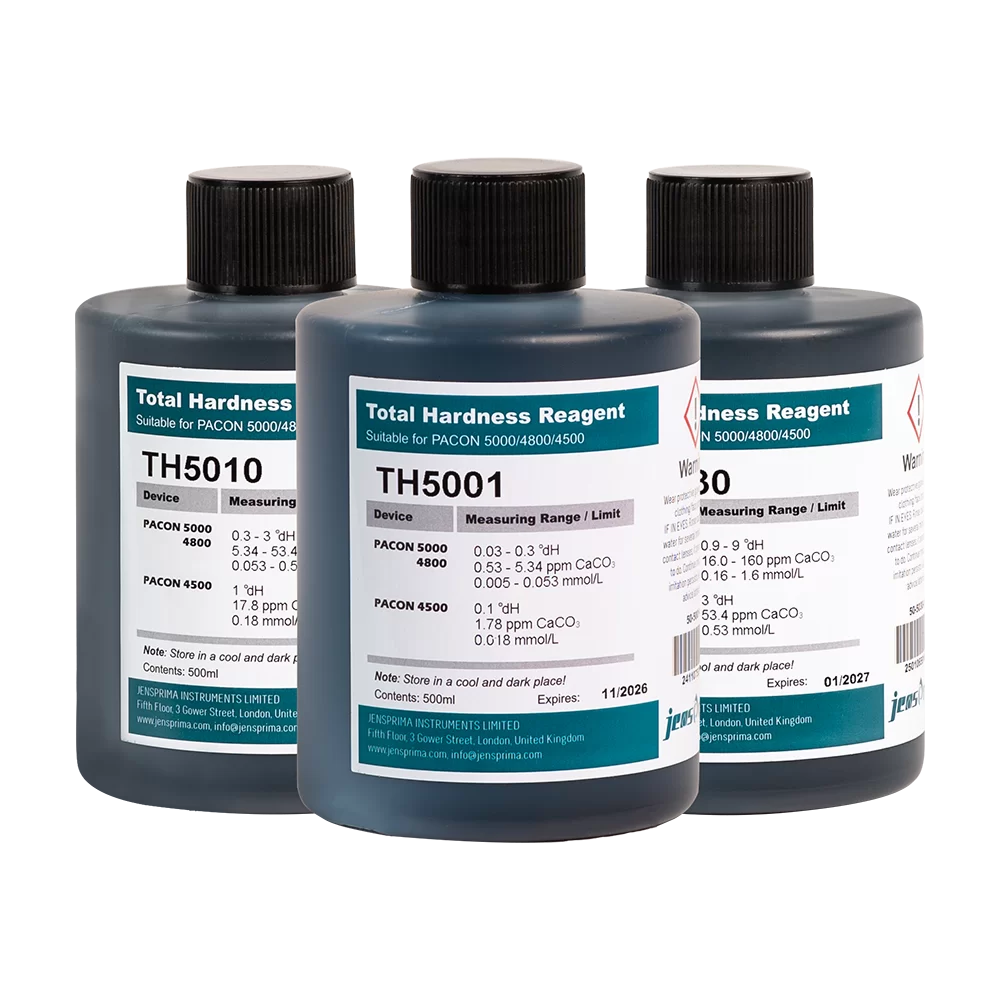
- Use High-Quality Reagents: Source reagents from reputable suppliers like Jens Prima to guarantee purity and accuracy.
- Proper Standardization: Regularly standardize your acid solutions using a primary standard like KHP.
- Accurate Sample Collection: Collect representative samples and analyze them promptly.
- Precise Titration Technique: Follow established titration procedures carefully.
- Regular Calibration: Calibrate your titration equipment regularly.
Conclusion: Achieving Reliable Alkalinity Measurements
Accurate alkalinity measurement is fundamental to numerous processes. By understanding the science behind alkalinity, selecting the appropriate alkalinity reagents, and adhering to best practices, you can ensure the reliability of your results and optimize your operational efficiency.
Frequently Asked Questions (FAQs)
What is the difference between total alkalinity and carbonate alkalinity?
Total alkalinity represents the total capacity of water to neutralize acids, encompassing all alkaline components. Carbonate alkalinity specifically refers to the alkalinity contributed by carbonate ions (CO₃²⁻). Hydroxide (OH⁻) and bicarbonate (HCO₃⁻) alkalinity contribute to the total alkalinity but aren’t considered carbonate alkalinity. Understanding both is important as they reflect different aspects of the water's buffering capacity and can indicate the source of alkalinity.
How does temperature affect alkalinity measurements?
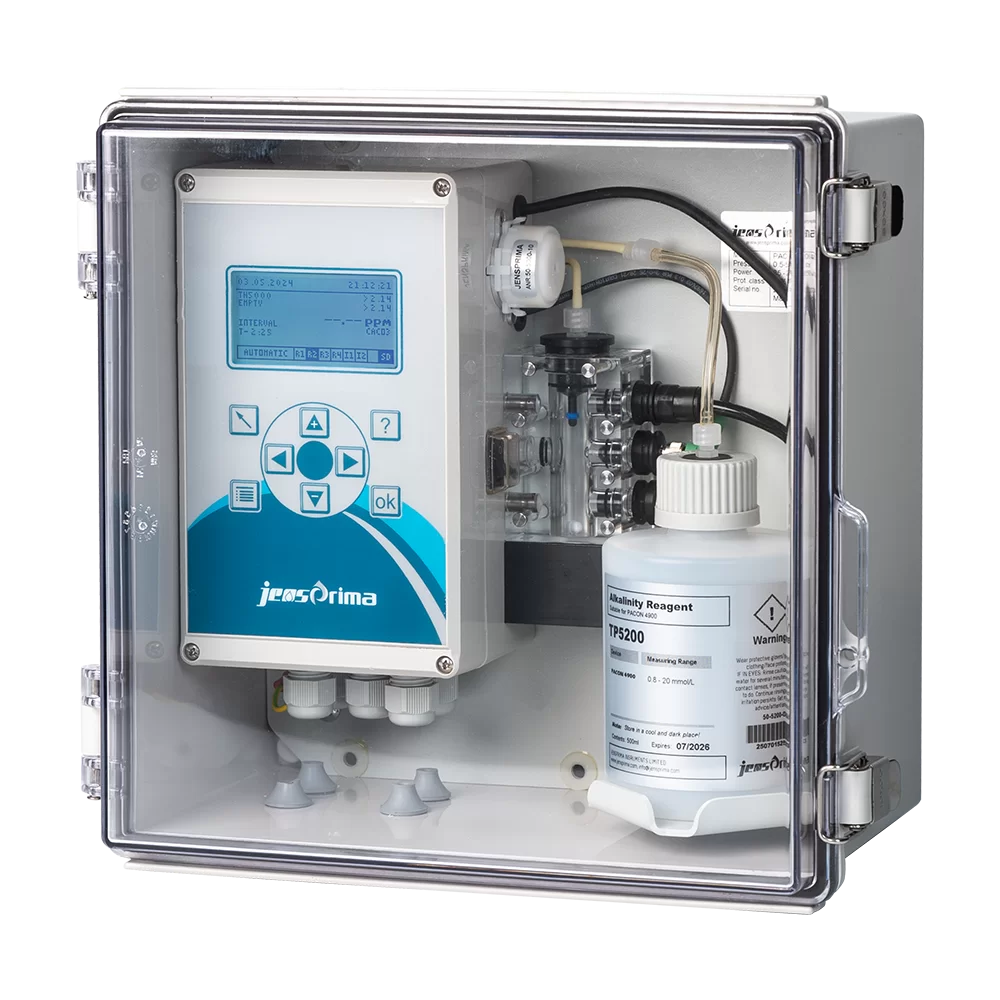
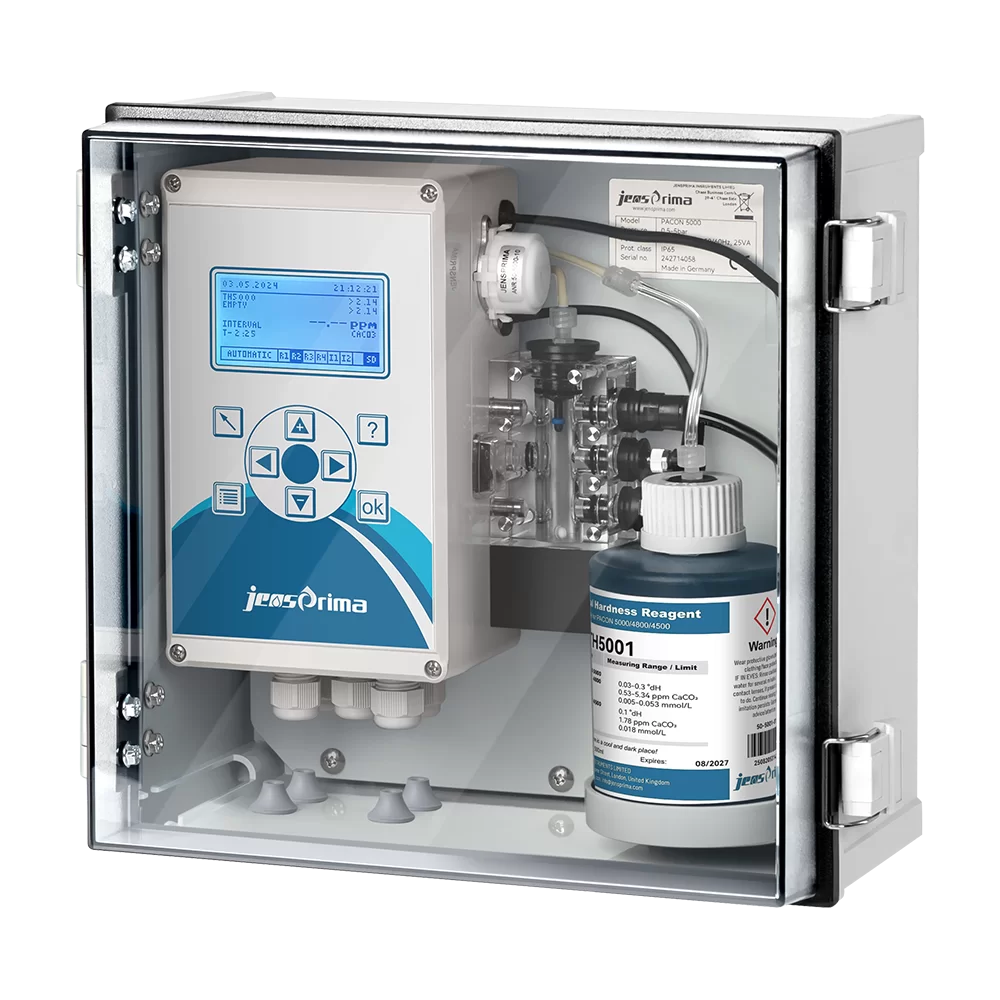
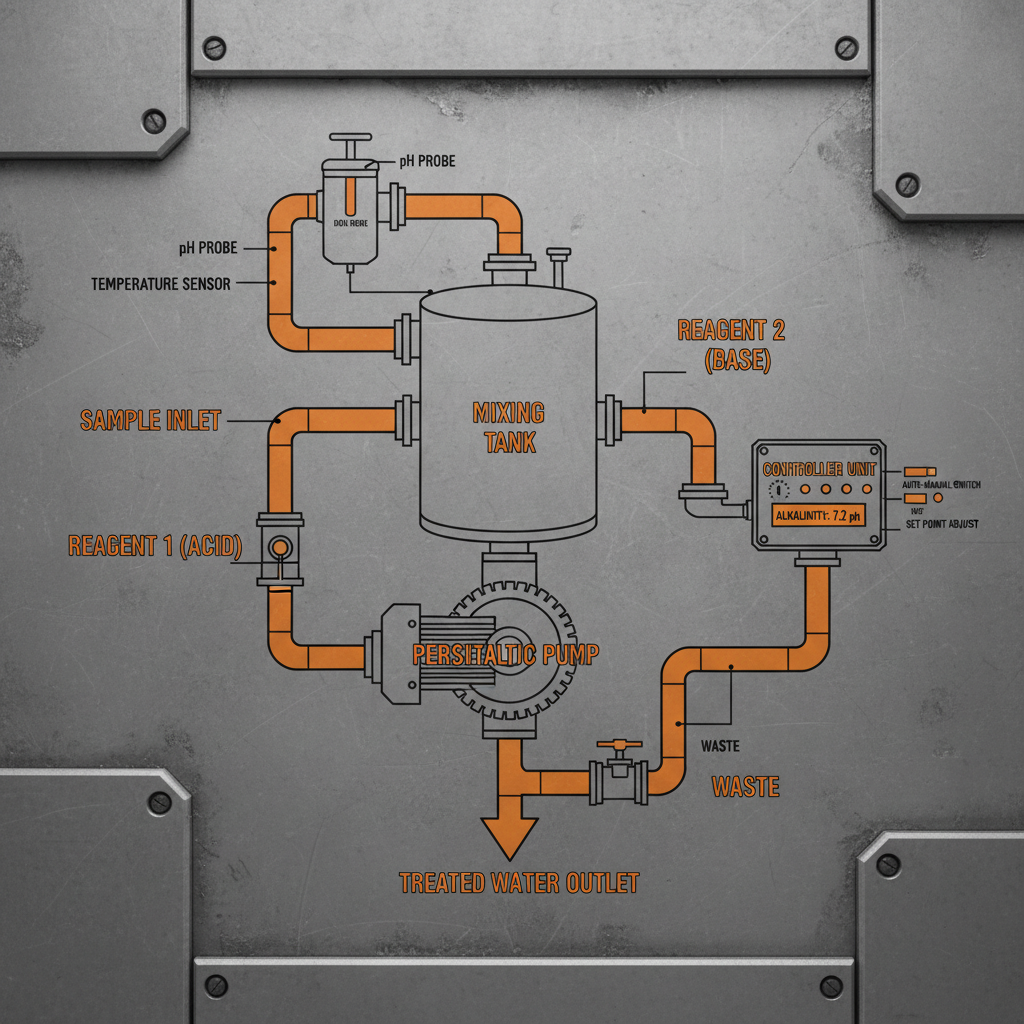
Temperature influences the equilibrium of carbon dioxide in water, which in turn affects alkalinity. As temperature increases, the solubility of carbon dioxide decreases, potentially reducing alkalinity measurements. Therefore, it’s crucial to maintain a consistent temperature during titration or to correct alkalinity values based on temperature variations. Many automated titrators incorporate temperature compensation features to address this issue.
What safety precautions should I take when handling alkalinity reagents?
Alkalinity reagents, such as strong acids, are corrosive and can cause severe burns. Always wear appropriate personal protective equipment (PPE), including gloves, safety glasses, and a lab coat, when handling these chemicals. Work in a well-ventilated area and avoid contact with skin and eyes. In case of contact, immediately flush with plenty of water and seek medical attention. Always refer to the Safety Data Sheet (SDS) for detailed safety information.
Where can I purchase high-quality alkalinity reagents?
You can purchase high-quality alkalinity reagents from reputable suppliers like Jens Prima. They offer a comprehensive range of reagents with guaranteed purity and accuracy. Always choose a supplier with a strong track record of quality control and reliable customer service.


 Download
 Video Center
 Technical Services
 FAQS
FAQS Service Network
 Privacy Policy
 Contact Us




 LEARN MORE